News10NBC Investigates: 115 Strong patients, 48 Highland patients wait for beds after Waterview Heights closure
With a Bachelor's in Business Administration from the University of Rochester, Marcus has spent over a decade covering local business trends and economic developments for WXXI News. His analytical approach has made him a go-to source for understanding local market dynamics.
More from Marcus →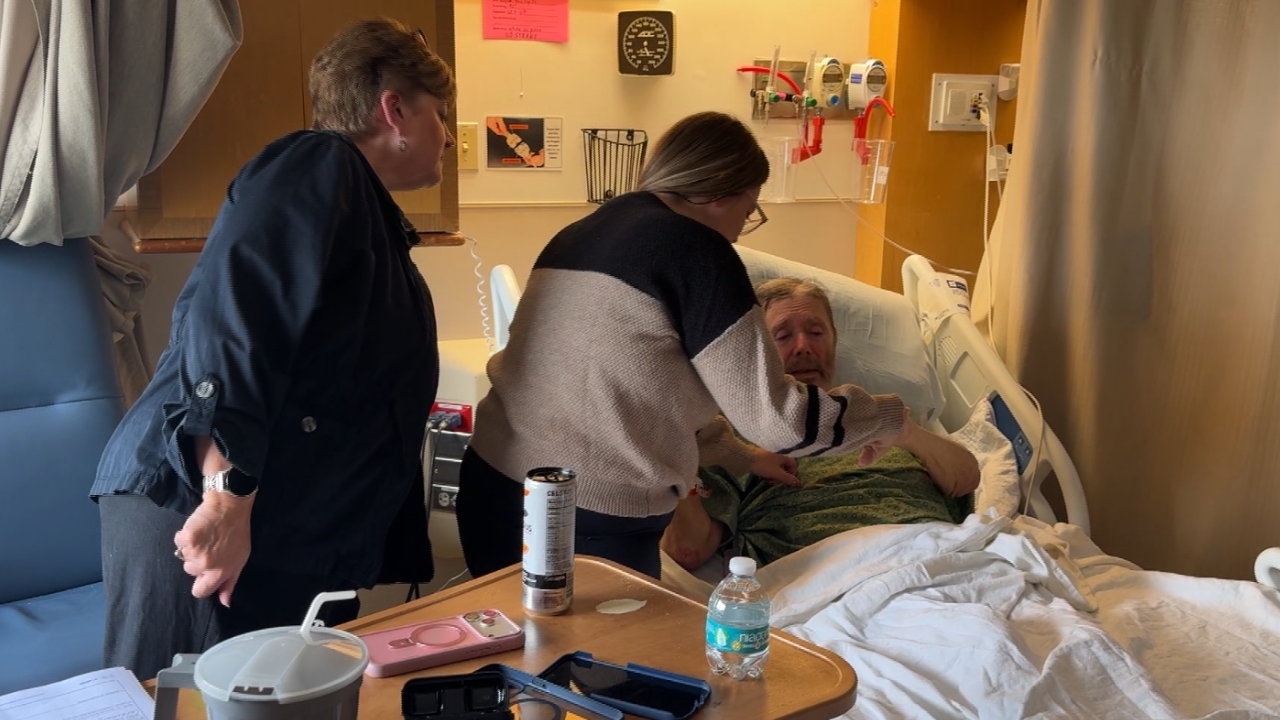
In this story
- What Happened: The Waterview Heights Closure and Its Ripple Effect
- The Broader Context: An Aging Population and Systemic Challenges
- Community Impact and Human Stories
- What’s Next: A Call for Action and Community Resilience
- Local Initiatives and Community Efforts
- The Human Cost and Personal Stories
- What Comes Next: Policy Changes and Community Action
On a chilly October morning in Rochester, families like Dawn Ciccolone’s are waking up to an unsettling reality: their loved ones, once thriving in familiar surroundings, now languish in limbo. Dean Jordan, a veteran battling Parkinson’s disease dementia—likely linked to Agent Orange exposure—waits anxiously for a nursing home bed, a month after being discharged from Highland Hospital. His story is emblematic of a crisis that’s quietly unraveling the fabric of care for Rochester’s most vulnerable. The recent closure of Watview Heights Rehabilitation and Nursing Center has intensified an already dire shortage of nursing home beds, revealing systemic gaps that threaten the health and dignity of countless seniors and disabled residents across the region.
What Happened: The Waterview Heights Closure and Its Ripple Effect
Waterview Heights, a long-standing fixture in Rochester’s healthcare landscape, abruptly shut its doors earlier this year, displacing over 200 residents and laying off more than 200 staff members. This sudden closure, driven by financial and regulatory challenges, left a void that the local healthcare system is struggling to fill. Currently, over 160 residents from Waterview Heights are scattered across other facilities, but the bottleneck in bed availability has created a backlog that affects hospitals and families alike.
At Strong Memorial Hospital, 115 patients—those who no longer require acute hospital care—remain confined to hospital beds simply because no suitable nursing homes can accommodate them. Similarly, Highland Hospital reports 48 such patients caught in this limbo. These numbers are not just statistics; they represent real people whose health and well-being are compromised by systemic failures. The shortage underscores a broader crisis: the shrinking capacity of nursing homes in Monroe County and beyond.
The Broader Context: An Aging Population and Systemic Challenges
The crisis extends beyond individual stories. According to recent data from the U.S. Census Bureau, Monroe County’s senior population is projected to grow by nearly 20% over the next decade, intensifying demand for long-term care. Yet, the number of licensed nursing home beds has declined steadily over the past five years, with many facilities shuttering due to financial pressures, staffing shortages, and regulatory hurdles. The closure of Waterview Heights is emblematic of this trend, which threatens to leave thousands of vulnerable residents without adequate care options.
Moreover, the quality of available facilities is a growing concern. Maple City Rehabilitation and Nursing in Hornell, the only available bed for Dean Jordan, holds a one-star rating from Medicare, raising questions about the quality of care that awaits residents. The family’s frustration is compounded by bureaucratic delays in securing veterans’ benefits, which could otherwise expedite access to VA nursing facilities, highlighting a troubling intersection of healthcare and administrative red tape.
Community Impact and Human Stories
For families like Ciccolone’s, the emotional toll is profound. Watching a loved one wait helplessly for a bed—knowing that their health could deteriorate—adds layers of anxiety and grief. Dean Jordan’s case is particularly poignant; a proud veteran who fought for his country now finds himself caught in a bureaucratic maze, waiting for a bed that might not arrive in time. His family’s fight underscores the urgent need for systemic reforms and increased investment in elder care.
Local healthcare providers and advocacy groups are sounding the alarm. The Rochester Regional Health system, along with the Monroe County Office for the Aging, are calling for expanded funding and policy changes to address the growing crisis. Community organizations emphasize that strong families and committed faith are vital in navigating these challenges, but they cannot do it alone. The community’s collective effort is essential to ensure our seniors and disabled residents receive the dignity and care they deserve.
What’s Next: A Call for Action and Community Resilience
The road ahead demands a multifaceted approach. Policymakers must prioritize funding for nursing homes, streamline regulatory processes, and expand access to VA and other specialized facilities. Local leaders are also exploring innovative models like community-based care and home health services to reduce pressure on traditional nursing homes. The federal and state governments have allocated millions in relief funds, but the challenge remains in implementation and oversight.
For families like Dean Jordan’s, the hope is that these efforts translate into timely, quality care—restoring dignity and peace of mind. Community awareness and advocacy are crucial in holding authorities accountable and ensuring transparency in nursing home operations. As Rochester continues to grapple with this crisis, the resilience of its families, faith communities, and healthcare providers will be tested—but also demonstrated. The American dream of strong families and stable communities depends on our collective commitment to caring for our most vulnerable, ensuring no one is left behind in the shadows of systemic neglect.
Local Initiatives and Community Efforts
Amidst the bleak statistics, there are rays of hope. Several local organizations and faith-based groups have stepped up to provide support and advocacy for displaced residents. The New York State Office for the Aging has launched initiatives aimed at improving elder care and expanding community-based services, including adult day programs and home health aides. These programs are designed to keep seniors in their homes longer, alleviating some pressure on nursing facilities.
Additionally, grassroots efforts like volunteer transportation services and meal delivery programs are helping families manage the crisis. The Rochester Area Community Foundation has also pledged funds to support local nursing homes and advocate for policy changes that will prevent future closures.
The Human Cost and Personal Stories
Beyond statistics, the human stories are what bring this crisis into focus. Dean Jordan’s family, for instance, describes him as a proud veteran who served his country with honor. His stepdaughter, Dawn, recounts the daily struggles of balancing work, caregiving, and the emotional toll of waiting for a proper placement. “It’s heartbreaking to see him like this,” she said. “He fought for his country, and now we’re fighting for him.”
Similarly, other families face similar heartbreaks—parents, spouses, and children who are forced to navigate a complex and often opaque system to find appropriate care. These stories highlight the urgent need for reforms that prioritize transparency, quality, and timely access to care for all residents.
What Comes Next: Policy Changes and Community Action
Addressing this crisis will require coordinated efforts at multiple levels of government. State and federal agencies need to fast-track approvals and increase funding for elder care programs. Local policymakers are advocating for policies that incentivize the development of new nursing home facilities and support innovative care models.
Community organizations and advocacy groups are also pushing for greater transparency and accountability from nursing home operators. Public hearings and community forums are planned to give residents and families a voice in shaping future policies. The goal is to create a resilient system that can withstand future shocks and provide equitable, high-quality care for Rochester’s aging population.
In the meantime, families like Dean Jordan’s continue to wait, hoping that their stories will catalyze meaningful change. Their resilience and advocacy serve as a reminder that caring for our elders is a moral obligation—one that requires collective action and unwavering commitment.