Rochester history: Former Mayor Johnson reflects on historic midterm firsts and local progress
A former educator, Lucas holds a degree in Education from Nazareth College and has transitioned to journalism, focusing on education reporting for the Rochester Beacon. He aims to shed light on both the challenges and triumphs within local schools.
More from Lucas →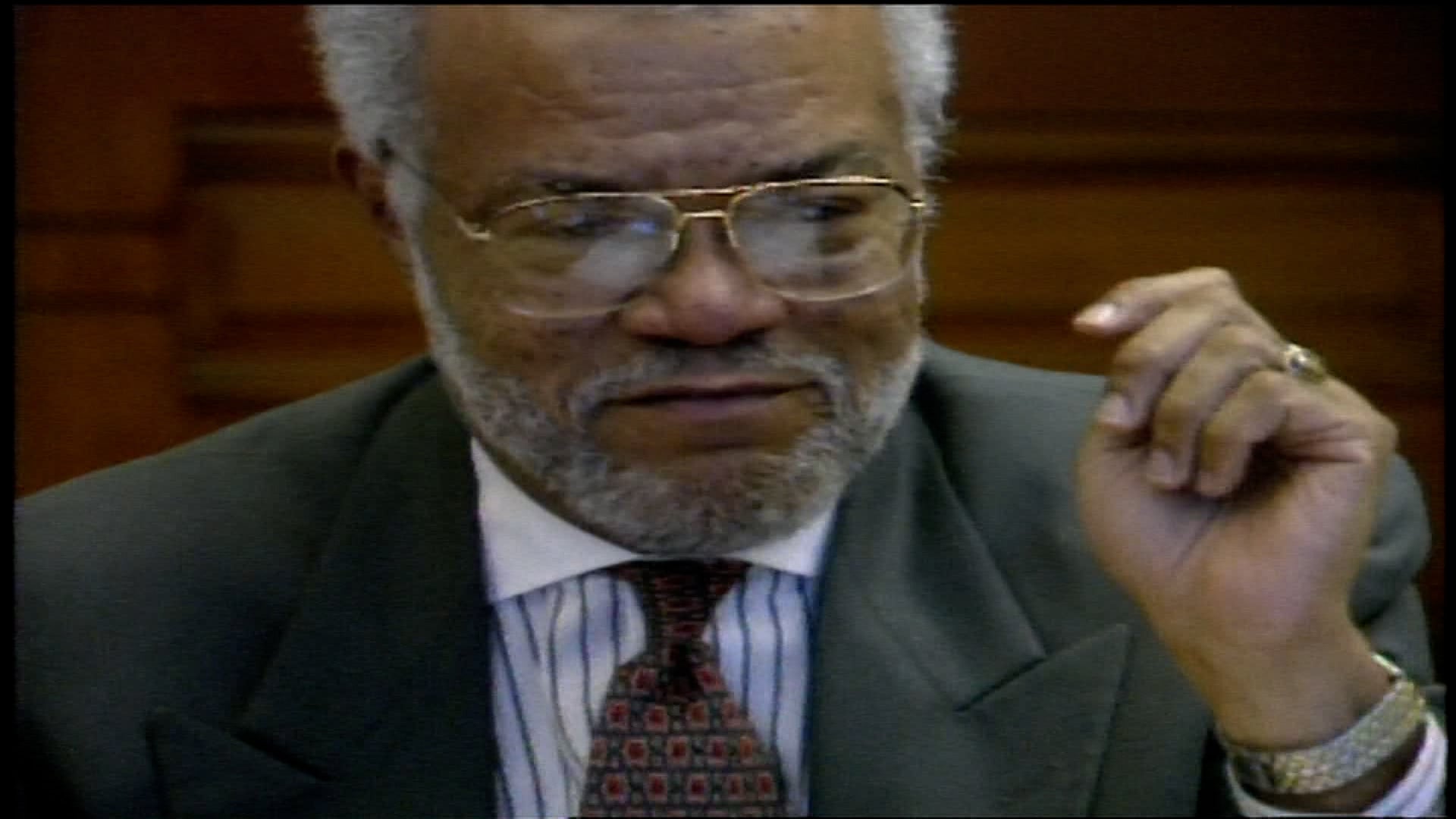
In this story
On a brisk autumn afternoon in Rochester, the air is filled with a sense of reflection and quiet pride. William Johnson, the city’s trailblazing first African American mayor, sits comfortably in a local community center, his eyes alight with the weight of history and hope. As he recounts the recent wave of historic milestones across the nation—first openly gay U.S. senator, first Muslim senator, first Black female governor—his voice carries a deep sense of optimism rooted in decades of perseverance and community service. These moments, he says, are more than headlines—they are signs of a society inching toward true inclusion and acceptance.
What Happened: A Nation Embracing Diversity
The midterm elections of 2022 marked a turning point in American history, with several groundbreaking firsts that captured the nation's attention. Chris Pappas of New Hampshire became the first openly gay male senator, a milestone for LGBTQ representation. Abdul El Sayed made history as Michigan’s first Muslim senator, breaking barriers for faith and ethnicity. Meanwhile, Georgia elected Keisha Lance Bottoms as the first Black woman governor, a victory that resonated deeply in the South and across the country. These victories symbolize a shift in the political landscape, reflecting a broader societal acceptance of diverse identities and backgrounds.
In Rochester, these national milestones prompted local reflection on progress and the ongoing journey toward equality. Johnson, whose own political career began in the early 1990s, sees these moments as a sign that the country is rejecting intolerance. “I feel rejuvenated,” he shares. “The results showed that more Americans are embracing folk regardless of their name, skin color, or religious beliefs. It’s a hopeful sign that we’re moving toward a more inclusive society.”
Community Reaction and Local Significance
Rochester’s Legacy of Progress
Johnson’s tenure as Rochester’s first African American mayor from 1993 to 1999 was marked by a focus on citizen engagement and addressing violence and social change. His campaign was born from a desire to listen and serve, creating programs that fostered community involvement. Today, Rochester continues to reflect on its legacy of progress, recognizing that each milestone builds on the last. The city’s diverse fabric, rooted in strong families and faith, remains a testament to the American Dream—one where perseverance and community commitment pave the way for meaningful change.
Local residents, especially community leaders and faith-based organizations, see these national milestones as validation of their efforts. “It’s inspiring to see Rochester’s history intertwined with these larger stories of progress,” says Pastor Michael Carter of First Baptist Church. “It reminds us that our faith and commitment to family are vital in shaping a community that welcomes everyone.” These sentiments echo a broader community belief that authentic faith and strong families are the backbone of societal progress.
Rochester’s history is deeply intertwined with social justice movements. The city was a significant hub during the Civil Rights era, with local activists and community leaders fighting for racial equality and economic justice. Institutions like the NAACP Rochester Branch played pivotal roles in advocating for fair housing, voting rights, and educational opportunities. This legacy continues today, with ongoing efforts to improve educational equity and economic development in underserved neighborhoods. The city’s rich history of activism and resilience provides a foundation for embracing new milestones and fostering an inclusive community fabric.
What’s Next: Building on Momentum
Johnson offers seasoned advice to newly elected leaders, emphasizing the importance of integrity and accountability. “They must demonstrate to the people that they will deliver on their promises,” he urges. “When leaders ignore their commitments, it’s the community that suffers.” His words serve as a reminder that progress isn’t just about breaking barriers but also about maintaining trust and fostering genuine change. As Rochester moves forward, local officials and citizens alike are committed to building on this momentum, ensuring that each new milestone reflects real progress for all residents.
Looking ahead, Rochester’s focus remains on strengthening its community through education, faith, and family. The city’s schools, churches, and civic organizations are vital in nurturing the next generation of leaders who will carry this legacy forward. Resources like the City of Rochester and the University of Rochester continue to support initiatives that promote inclusion and community engagement. Local nonprofits such as the Urban League of Rochester, which Johnson previously led, continue to work tirelessly to promote economic empowerment and educational opportunities for marginalized communities. These efforts are crucial in ensuring that progress is inclusive and sustainable.
Moreover, community organizations are increasingly collaborating with local government to address issues like housing affordability, employment disparities, and access to quality healthcare. Rochester’s diverse neighborhoods—such as the historically significant Corn Hill and the vibrant Neighborhood of the Arts—serve as living testaments to the city’s multicultural identity. These areas are often at the forefront of community-driven initiatives aimed at fostering unity and resilience amid ongoing economic challenges.
As Johnson reflects on his journey and the city’s ongoing story, he remains optimistic about the future. “History is a continuum,” he says. “We contribute what we can, knowing that someday, our efforts will be part of a larger legacy of hope and progress. Rochester has always been a city of revolutionary change, and I believe it will continue to be so—guided by faith, family, and community.”
Looking beyond the immediate horizon, local leaders are also focusing on youth engagement, recognizing that the next generation’s involvement is vital for sustaining progress. Initiatives like Rochester’s Youth Voice program aim to empower young people to participate in civic life, fostering leadership and a sense of ownership over their community’s future. Schools are integrating social justice and civic education into their curricula, ensuring that students understand the importance of active citizenship.
In the coming months, community forums and town halls are scheduled to discuss how Rochester can further advance its diversity and inclusion efforts. These gatherings provide platforms for residents of all backgrounds to voice concerns, share ideas, and collaborate on solutions. The city’s commitment to transparency and community-driven policymaking is a testament to its ongoing dedication to progress rooted in collective effort.
As the city continues to evolve, the significance of these milestones extends beyond politics—they touch the very fabric of Rochester’s identity. The city’s history of resilience, activism, and community spirit remains a guiding light for future generations. The stories of local heroes, from civil rights activists to contemporary leaders, serve as inspiration for those who believe in the power of unity and perseverance.
Ultimately, Rochester’s journey exemplifies the enduring spirit of a city that refuses to be defined by its challenges but instead uses them as stepping stones toward a brighter future. Johnson’s reflections remind us all that history is a living, breathing entity—shaped by every voice, every action, and every act of faith that moves us forward.