Why your plastic trash bags are sending tons of good local recycling straight to the landfill
Maria Gomez has over 15 years of experience in local journalism, having previously served as the editor for the Hempstead Herald and a contributor to Newsday. She graduated from Long Island University with a degree in Journalism and has a passion for engaging with the diverse voices of Garden City. Maria believes that community journalism plays a crucial role in shaping local identity.
More from Maria →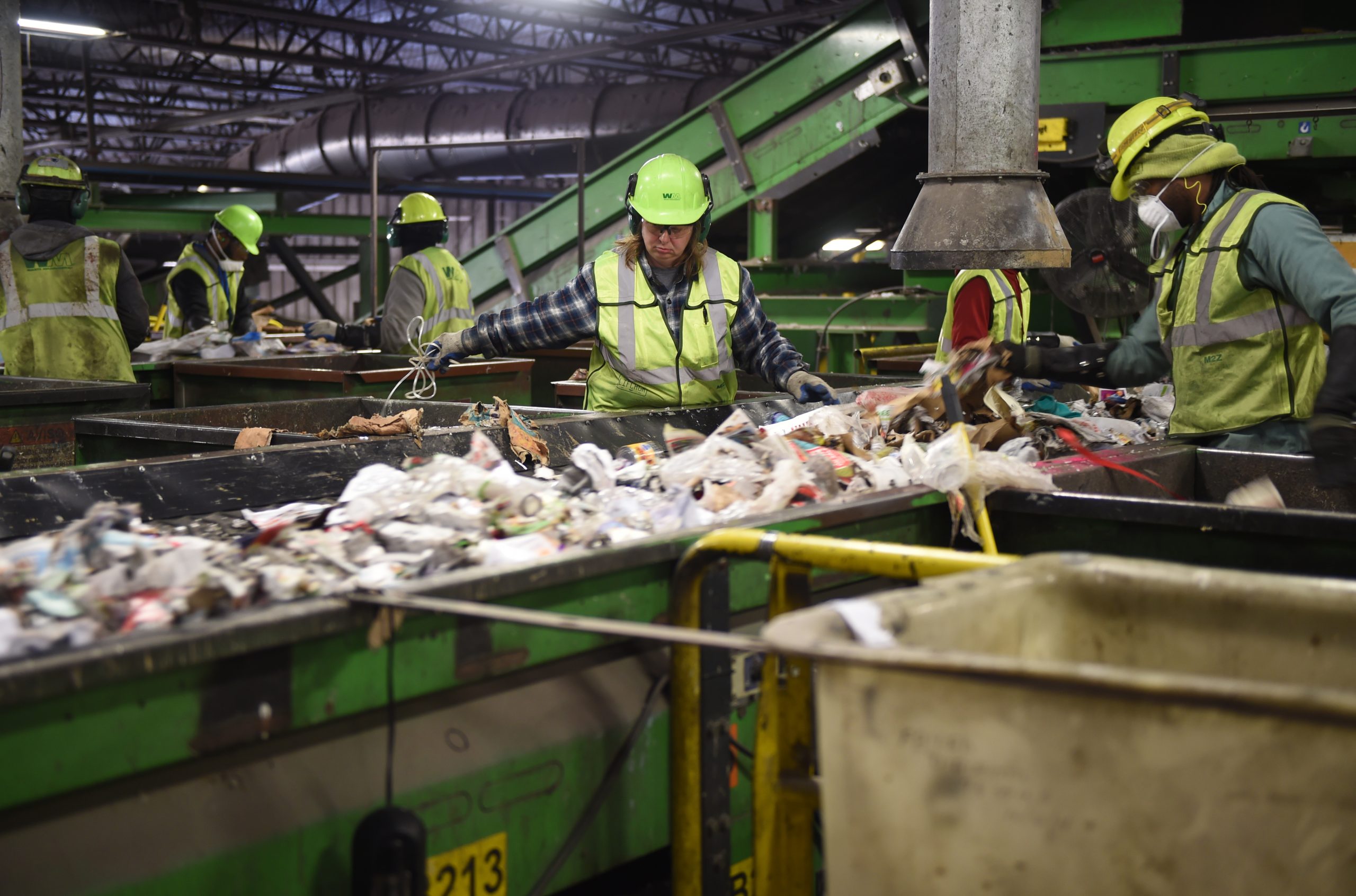
In this story
Imagine if your efforts to recycle properly were being wasted, sending your efforts straight to the landfill. That's the reality for many residents in Garden City, where recycling contamination is a growing problem. According to recent reports, nearly half of all collected recycling is lost due to contamination or improper disposal, with public spaces and multi-family housing seeing the highest rates of failure. Read The Recycling Partnership's State of Recycling Report highlights that in large environments like apartment buildings, 43% of material is ruined by improper disposal. This is a stark reminder that even when people try to do the right thing, their good intentions can be thwarted by everyday habits.
Understanding the Scale of the Problem
The sheer volume of waste generated in densely populated areas like Long Island and New York City makes recycling a complex logistical challenge. While individual efforts are crucial, the cumulative effect of contamination across thousands of households and businesses is substantial. The State of Recycling report isn’t just a national statistic; it reflects a very real problem impacting local communities. The report underscores that the current system, reliant on manual sorting and often outdated technology, is struggling to cope with the rising tide of improperly disposed materials.
The Plastic Bag Problem: A Major Obstacle
The primary culprit? Plastic trash bags. These seemingly harmless carriers of recyclables are actually major contributors to contamination. According to research by The Recycling Partnership, plastic bags are among the top five most problematic contaminants for cities and sorting facilities. When people collect their recycling in bags and toss them into the bin, entire bundles can end up being sent to landfills. This is because Material Recovery Facilities (MRFs) lack the time and safety clearance to open and sort these tied-up bundles on a fast-moving conveyor belt. Even when plastic bags are loosely placed in recycling bins, they act as “tanglers,” wrapping around gears and screens, forcing facilities to halt operations multiple times a day. The financial impact of this contamination is substantial. Waste haulers are increasingly imposing contamination penalties that can exceed $100 per ton when entire loads have to be redirected to landfills.
The issue extends beyond just the inconvenience for MRFs; it poses safety risks to workers who must manually cut through the tangled plastic. The cost of these shutdowns and manual interventions isn’t absorbed by the facilities; it’s ultimately passed on to municipalities and taxpayers, impacting local budgets that could be used for other vital services. Furthermore, the prevalence of plastic bags contributes to microplastic pollution in the environment, a growing concern for ecological health. The initial convenience of bagging recyclables is outweighed by the long-term consequences.
Beyond Bags: Other Contaminants at Play
Plastic bags aren't the only culprits contributing to recycling woes. Other major contaminants that ruin the financial viability of recycling include food and liquid residue, lithium batteries, and 'wish-cycling,' where people throw in items that are not recyclable. A single half-full soda can or a greasy pizza box can soak the paper around it, making it unsuitable for recycling. Discarded electronics and batteries pose a fire hazard, while broken furniture or household items can destroy sorting machinery. These contaminants not only disrupt the sorting process but also add to the overall cost of recycling.
The presence of lithium batteries is particularly alarming. They contain highly flammable materials and have been known to cause fires in recycling trucks and processing centers, posing a serious safety risk to workers and potentially causing significant damage to facilities. ‘Wish-cycling,’ the practice of tossing anything into the recycling bin with the hope it will be recycled, is often driven by good intentions but ultimately leads to contamination and wasted resources. Items like hoses, rope, and certain types of plastic are common culprits in this category.
Where Your Recycling Goes: A Regional Overview
When a hauler empties a recycling dumpster, it goes to a regional hub. In New York City, materials head to the Learn more about the Sims Municipal Recycling Sunset Park Material Recovery Facility in Brooklyn, the largest commingled recycling facility in the country. In Philadelphia, the waste stream feeds local industries like Newman Paperboard, which has manufactured recycled paperboard in the city for over 100 years, or glass processors in Delaware County.
However, if a hauling team sees a high concentration of plastic bags or food waste, they often classify the entire load as contaminated on the spot, bypassing the recycling facility and going directly to a landfill or incinerator.
Community Reaction and Local Concerns
Local residents are understandably frustrated. Many feel they are doing their part to reduce waste and protect the environment, only to see their efforts go to waste. The perception that recycling is “easy” has contributed to the problem, as many residents aren’t fully aware of what is and isn't acceptable in the recycling stream.
Addressing the Problem: Initiatives and Solutions
Local organizations are stepping up to address this issue. The Garden City Environmental Task Force (GETF) has launched a campaign to educate residents on proper recycling practices, distributing guides and holding workshops. The GETF believes that by empowering residents with the right knowledge, they can reduce contamination rates and improve the overall recycling process. The Garden City Chamber of Commerce is also involved, working with local businesses to ensure they are properly disposing of their waste and promoting a 'Recycling Right' campaign.
Beyond these local efforts, Long Island municipalities are exploring partnerships with MRFs to gain better insight into contamination trends and develop targeted education programs. Some communities are considering implementing stricter enforcement measures, such as random bin inspections, to deter improper disposal. The challenge lies in balancing enforcement with education, ensuring that residents understand the reasoning behind the rules and have the resources to comply.
Looking Ahead: Policy and Personal Responsibility
As the issue of recycling contamination continues to grow, local authorities and waste management companies are exploring new solutions. The Garden City City Council is considering legislation that would require residents to use clear plastic bags for their recyclables, making it easier for sorting facilities to identify and separate contaminated materials. Check out Garden City’s official recycling guidelines for more information on local recycling programs and events.
While clear bags are a potential short-term solution, the long-term goal is to shift towards a more sustainable and circular economy. This includes reducing overall waste generation, promoting reusable alternatives to single-use plastics, and investing in advanced recycling technologies that can handle a wider range of materials. The current system relies heavily on manual sorting, which is labor-intensive and prone to error. Technological advancements, such as optical sorters and robotics, offer the potential to improve efficiency and reduce contamination rates.
Ultimately, the solution requires a combination of policy changes and individual responsibility. By working together, the community can ensure that their recycling efforts truly make a difference.
Residents can take action by following these simple tips: Remove all food residue and empty liquids from recyclables before placing them in bins; avoid using plastic trash bags for recycling; instead, place items directly into the bin; and check your local recycling guidelines to ensure you’re not ‘wish-cycling’ items that can’t be recycled.